AI-Powered Code Assistant for B2B SaaS

Background
High-volume manual bottleneck (120+ tickets/mo) for repetitive CSS adjustments.
Challenge
Designing a reliable, AI-driven workflow that simplifies professional customization for non-technical users.
Impact
74% feature adoption and a 44% reduction in custom-code support tickets.
2025
AI
B2B SaaS
Web
Context & Problem
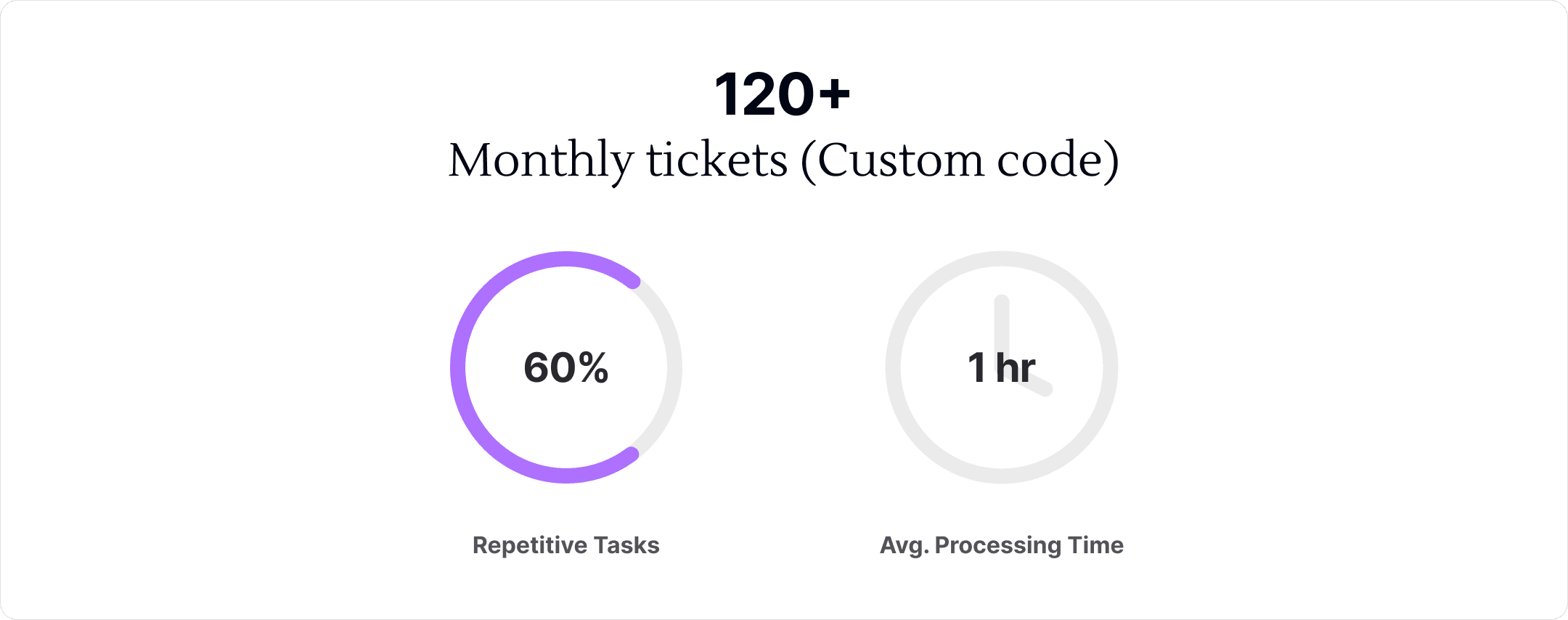
High-Volume Bottleneck: Internal audits identified 120–140 custom code tickets monthly, with 60% focused on repetitive UI adjustments.
Manual Cost Leak: Each ticket required ~1 hour of manual labor, significantly throttling the Solution Team's throughput.
Automation Potential: LLMs validated for 4-line CSS snippets, offering a high-accuracy alternative to manual intervention.

LLM feasibility benchmarking: High precision for short CSS snippets
Task
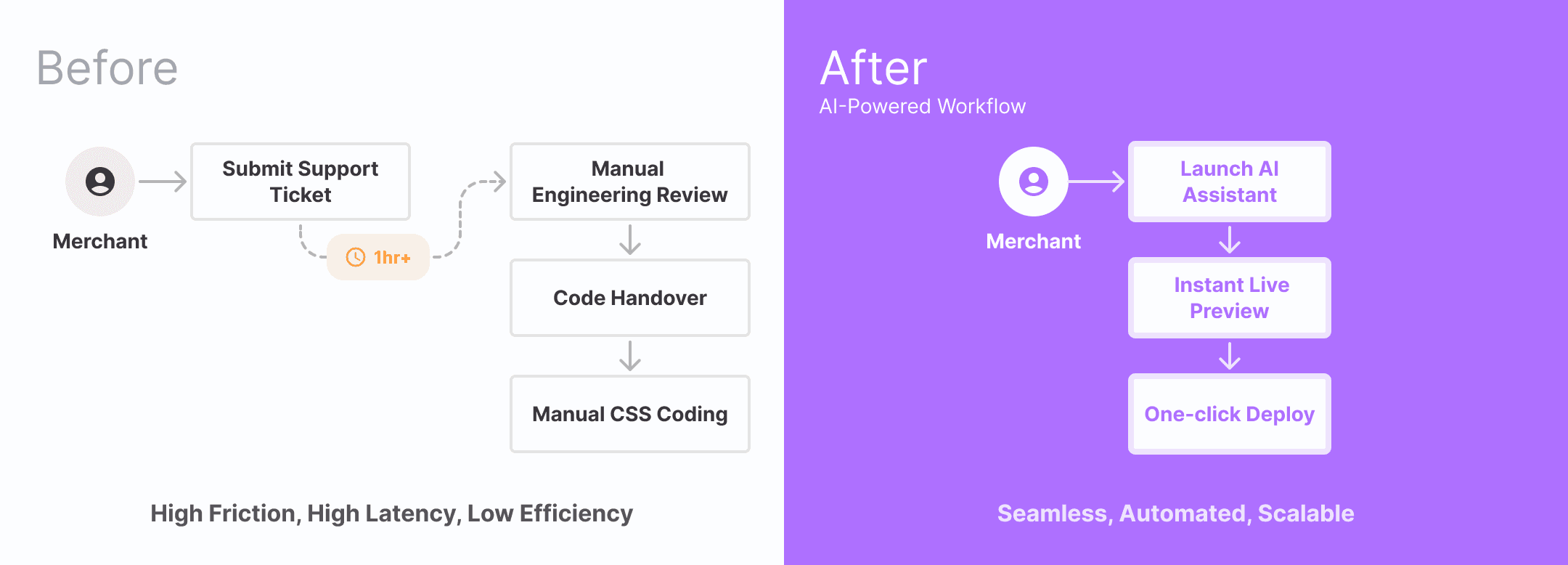
Optimizing the Customization Workflow:
By automating the "Consultation-to-Code" transition, the new workflow eliminates three manual friction points, enabling merchants to achieve instant deployment with zero engineering overhead.
Objective: Transform the merchant customization experience from "Manual Consultation" to "AI Self-Service" by integrating an AI Assistant directly into the site builder.
OKRs:
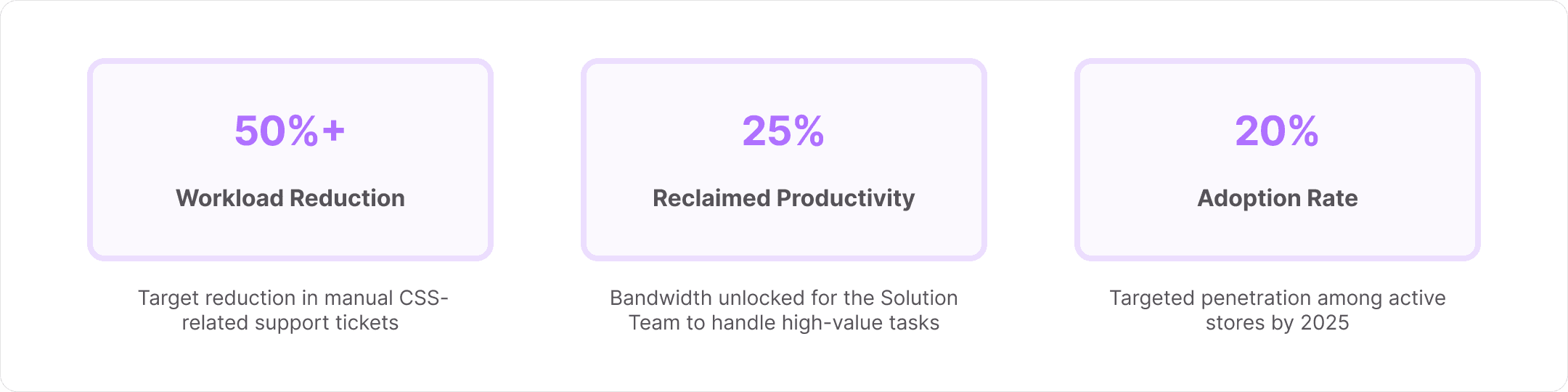
Success metrics defined in collaboration with the Product and Solution teams to quantify the design impact on operational costs.
Action: Data-Driven Design & Implementation
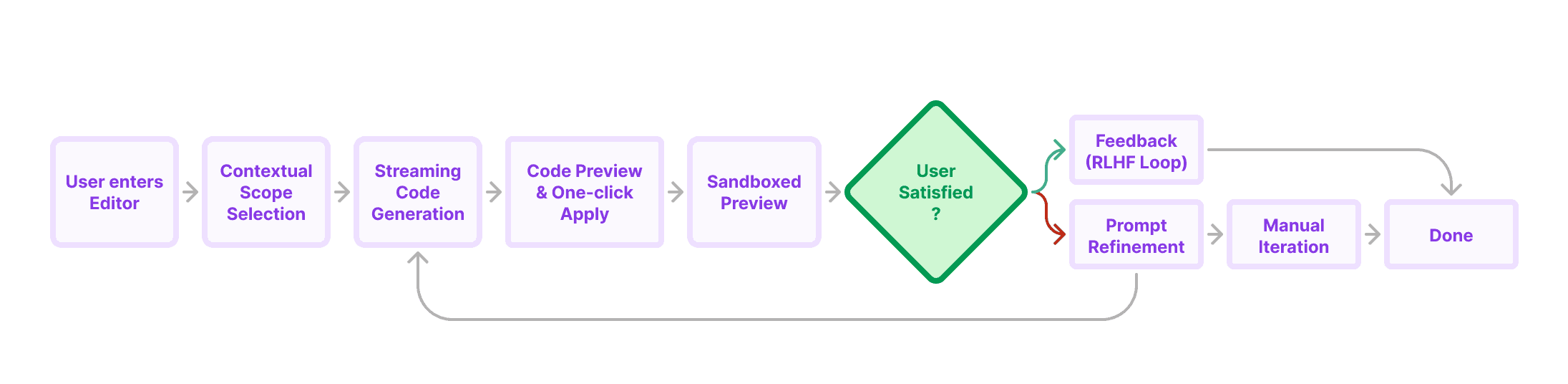
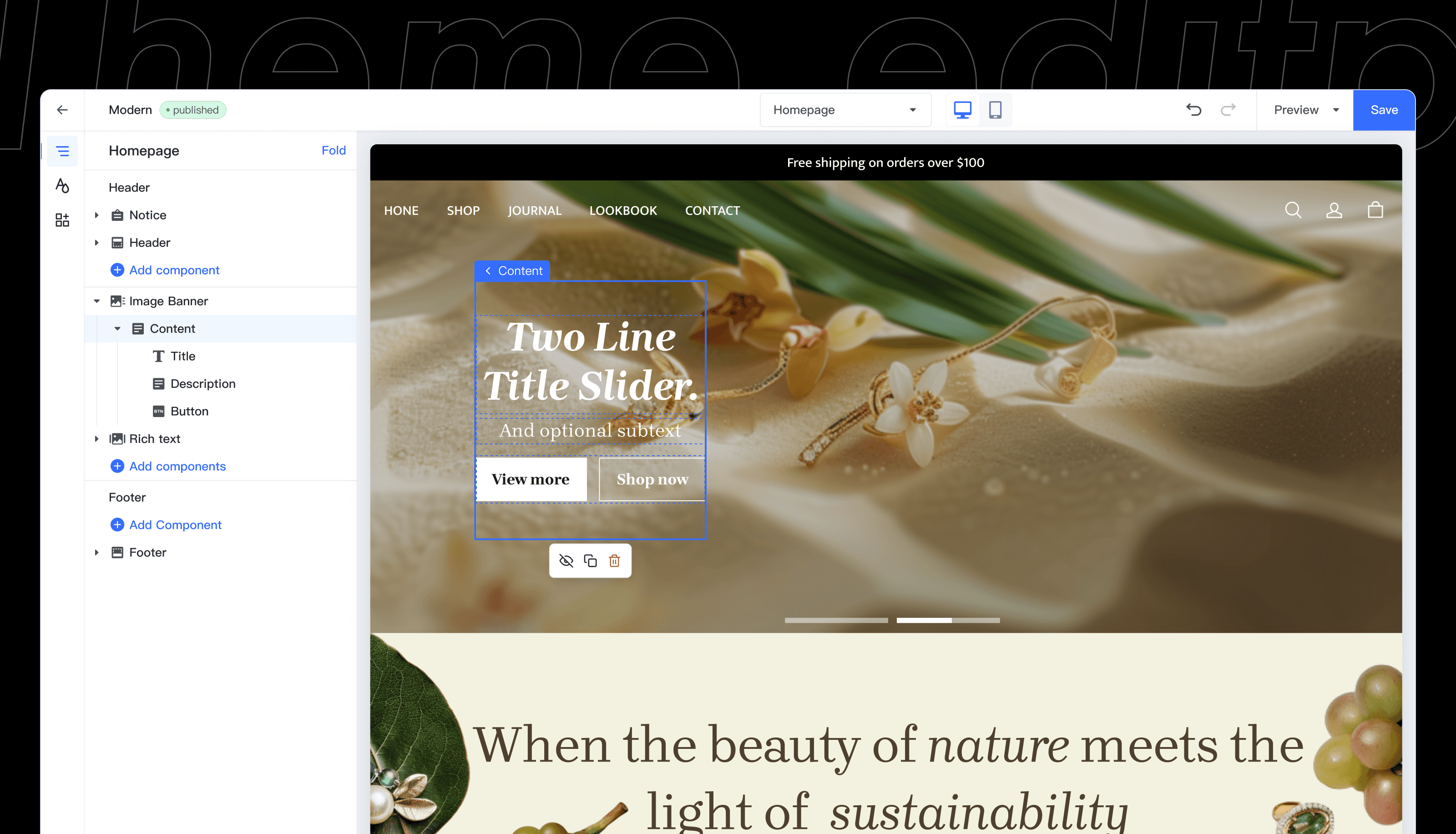
Architecting the Logic: The AI-Human Interaction Flow
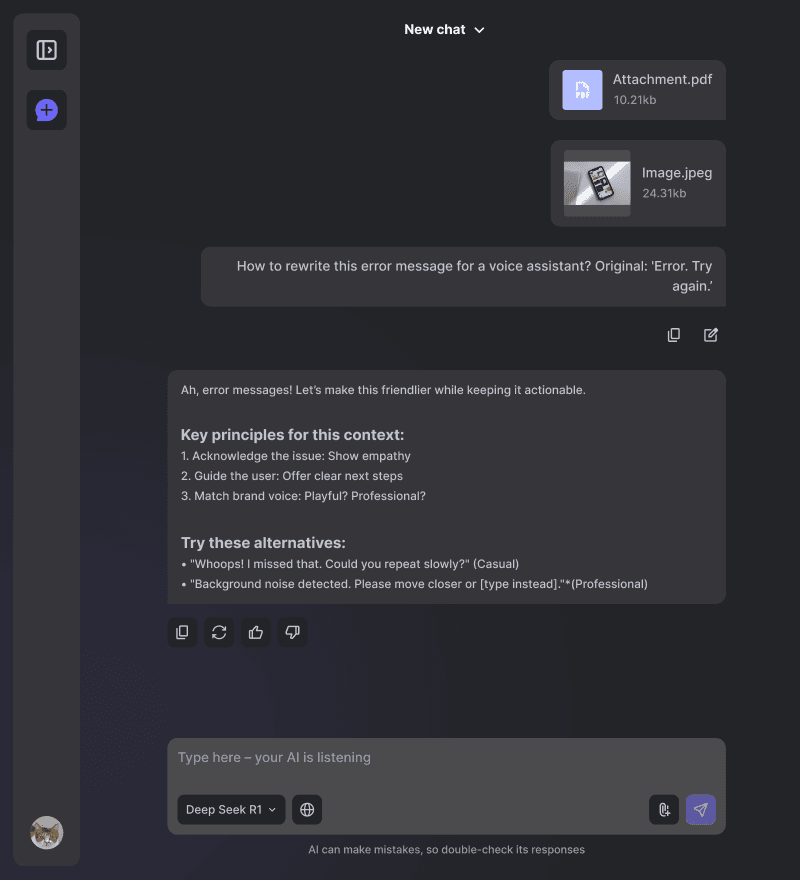
The "xAI" Interaction Flow: Building Trust through Transparency & Guardrails
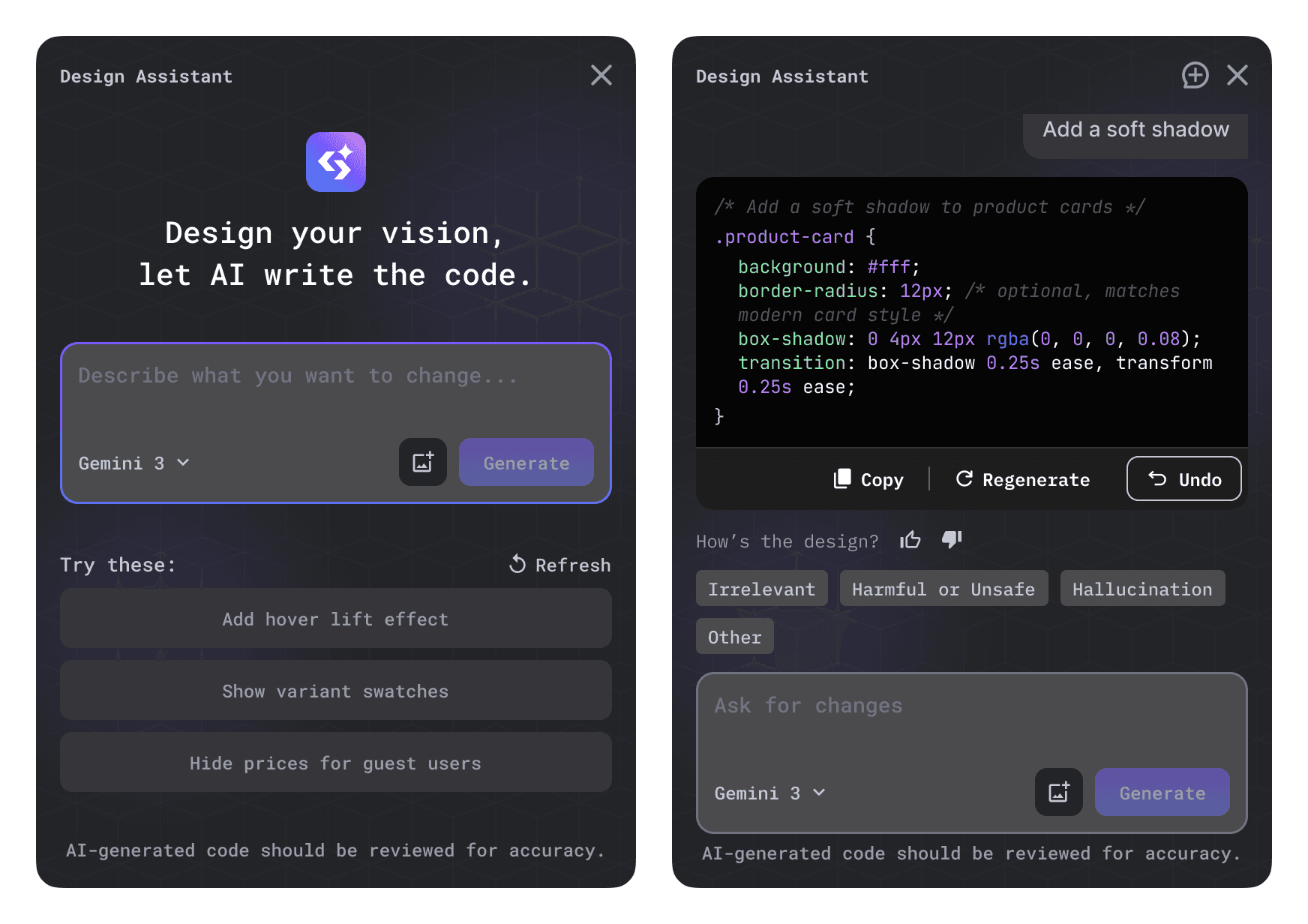
Design Principles
Manage Expectations
Helping users understand AI capabilities and constraints upfront to reduce "cold-start" friction. To eliminate 'cold-start' friction, I conducted a data audit of 120+ historical tickets to identify recurring patterns. I implemented Prompt Heuristics—three high-frequency preset tags for each component targeting 34% of repetitive requests.Design for Error Tolerance
Acknowledge LLM limitations by providing a 1-click recovery path (Undo) to build confidence.Let Users Give Feedback
Implementing RLHF (Reinforcement Learning from Human Feedback) loops to align the model with user intent.Build Trust through Transparency
Clearly communicate the AI's role and limitations, ensuring the user remains the final decision-maker.
Results
74% Adoption Rate
44% ↓ Ticket Deflection Rate
Business Outcome: Successfully integrated the AI Assistant into the store-building workflow, achieving a seamless transition from natural language prompt to live production styling.